


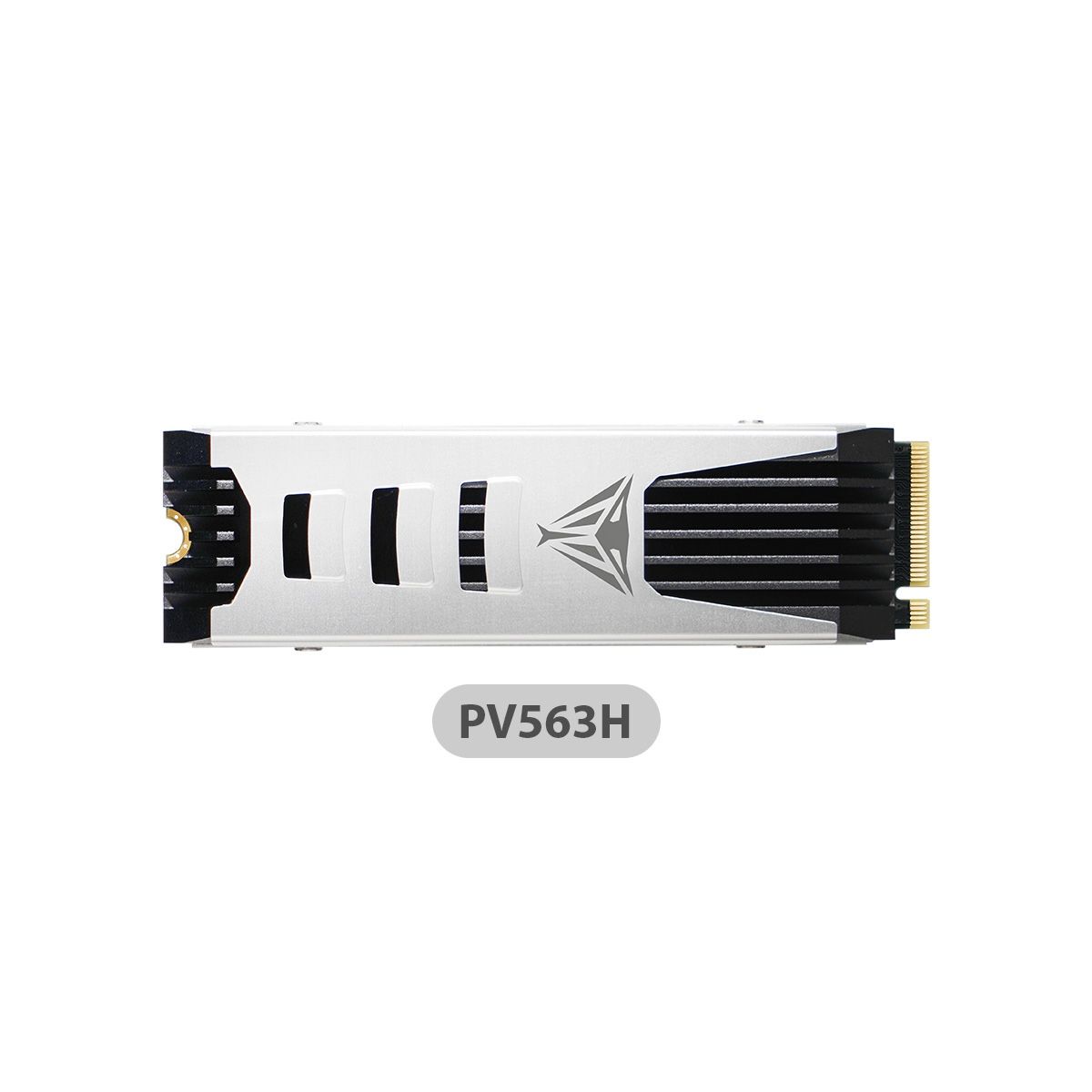
Viper PV563 Series PCIe Gen5 x4 M.2 2280 SSD
- Top-Tier Performance: Powered by the latest PCIe Gen5 x4 technology and NVMe 2.0 compliant Blazing-fast read/write speeds of up to 14,000MB/s and 11,000MB/s
- Advanced Technology: Supports Host Memory Buffer (HMB) for accelerated system access
- High Endurance: High endurance rating, with up to 3,000TBW
- Compatibility: Supports Windows® 7/8/10/11 (*Driver installation may be required for certain versions)
- After-Sales Service: Backed by a five-year limited warranty
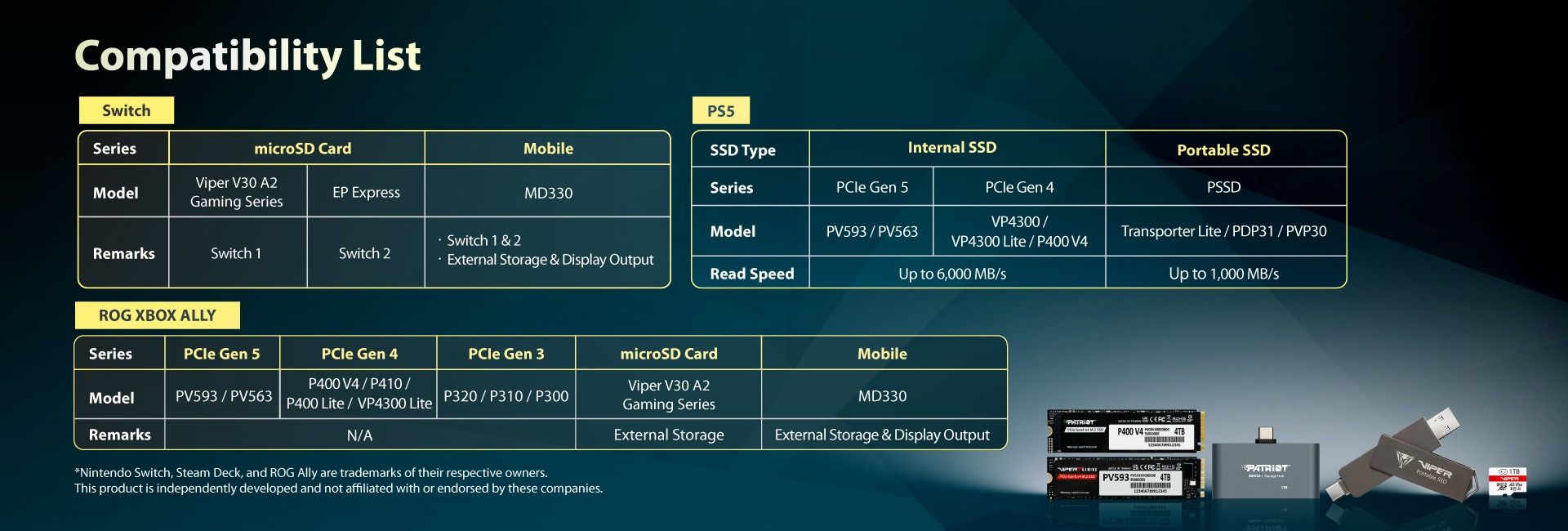
- Supports ROG Ally, PS5 (Up to 6,000 MB/s), and PC. Elite speeds for handheld and console—zero lag, pure performance
- Available in two thermal editions:
- PV563: The ultra slim graphene heat spreader edition.
- PV563H: The aluminum fin heatsink edition.
Redefine Efficiency in the AI Era
Velocity meets versatility with the Viper PV563. Engineered to harness the power of PCIe Gen5 x4 and NVMe 2.0, this drive balances extreme bandwidth with the power efficiency modern AI-driven applications demand. Delivering read speeds of up to 14,000MB/s and write speeds of 11,000MB/s, the PV563 is optimized for intelligent asset pre-loading and seamless multi-modal multitasking. Whether you are accelerating an AI creative cycle or optimizing gaming performance, the PV563 ensures your hardware never bottlenecks your imagination.
Dual Cooling Masters Gen5 Precision
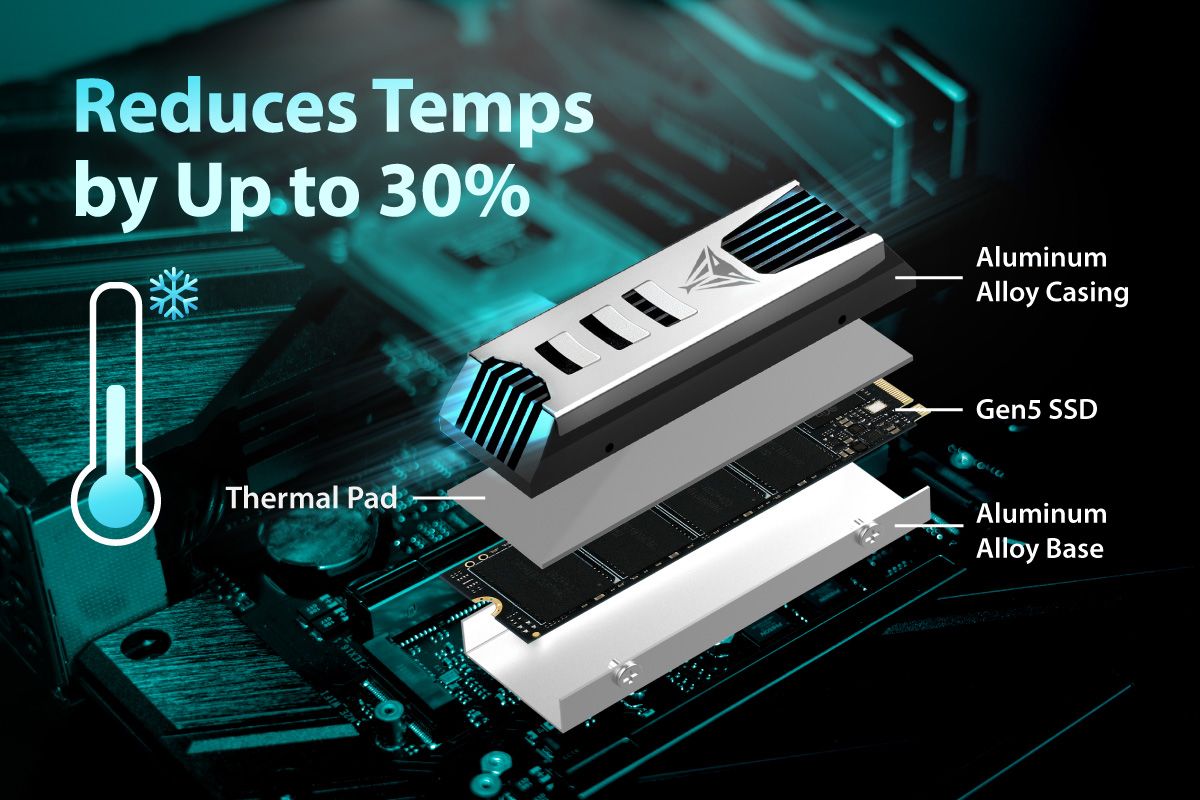
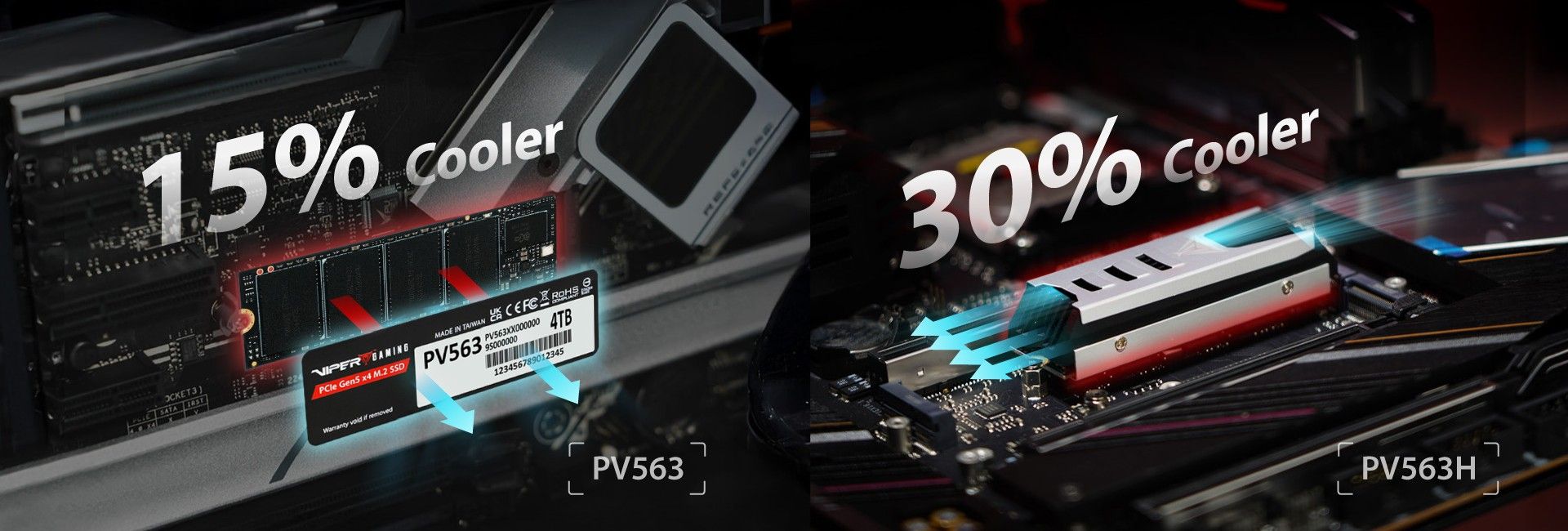
The Viper PV563 Series SSD delivers Gen5 performance with two advanced cooling options. The PV563H aluminum fin heatsink cuts temperatures by up to 30%, and the graphene heat spreader lowers temps by up to 15%, ideal for fanless or space-constrained setups. Experience ultimate stability: cool, reliable, and effortless.
Launch massive games, edit high-resolution video, and process multi-track audio in an instant — all with zero lag. And for total flexibility, it’s fully backward compatible with PCIe 4.0 and 3.0 systems.
Defense Up. Performance Stays.
Engineered with a pro-grade convection design, the PV563H aluminum fin heatsink reduces temps by up to 30%, ensuring long-term stability.
Even under sustained heavy loads, it stays cool and stable — empowering elite gamers and creators to keep pushing their limits.
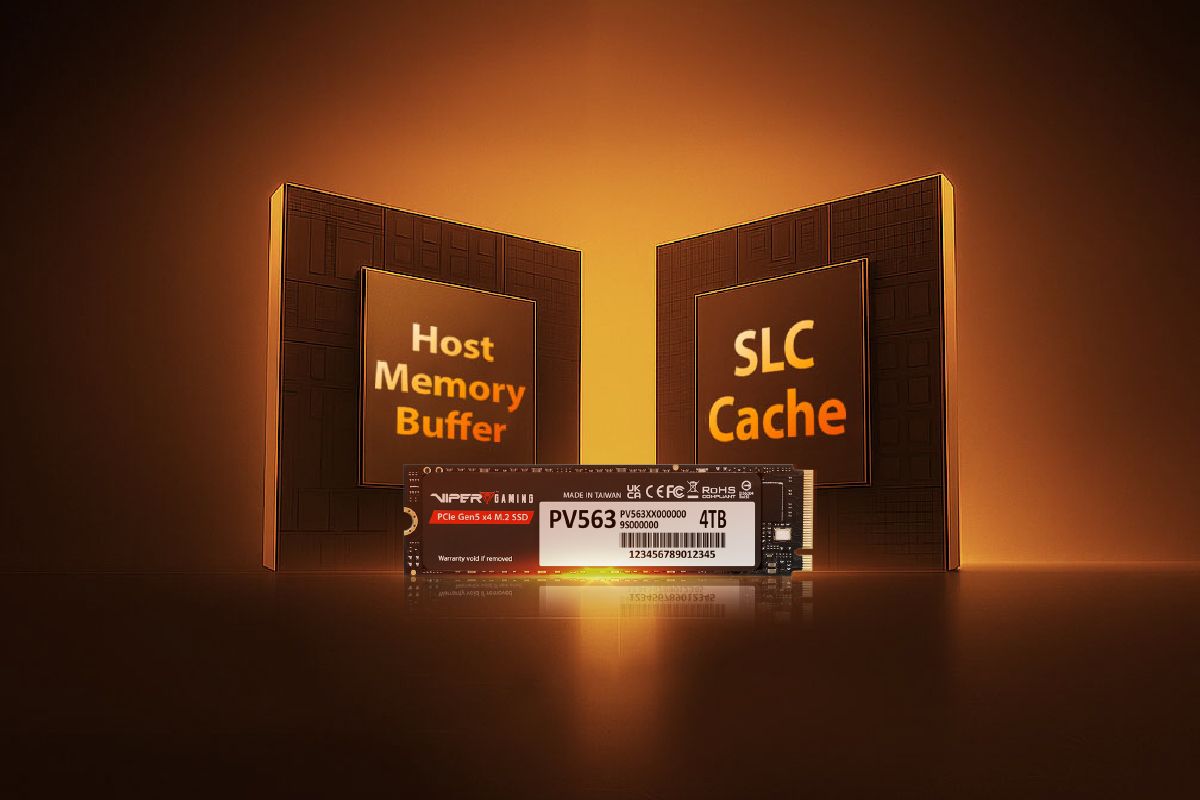
Accelerated by Design: HMB + SLC Cache
The Viper PV563 Series SSD integrates Host Memory Buffer (HMB) and dynamic SLC caching to deliver consistently fast performance. By combining controller-level and NAND-level acceleration, it ensures instant boot-ups, smooth transfers, and low-latency responsiveness.
Whether it’s a Gen3 or Gen4 platform, just plug in, play, and dominate from day one.
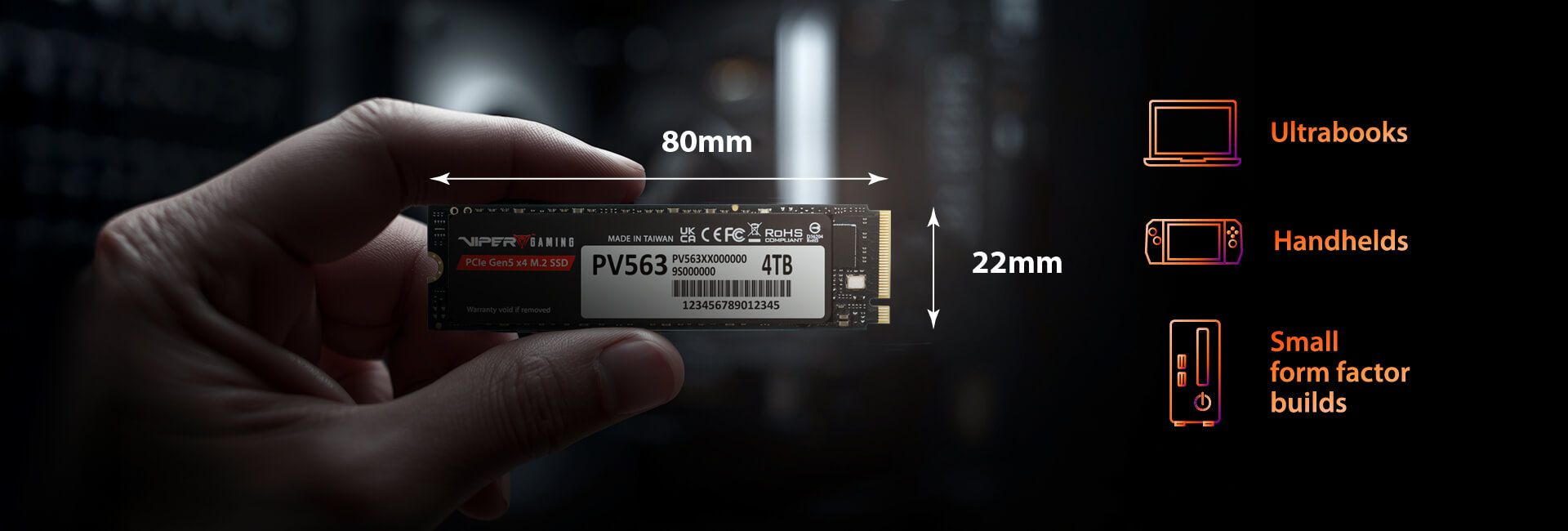
Slim. Seamless. Compatible
The PV563 Series SSD's single-sided M.2 2280 design ensures broad compatibility with slim systems—from lightweight laptops to handheld consoles and SFF PCs.
From instant in-game domination and seamless large-file editing to smooth multi-app switching, your actions stay one step ahead — what you think, you execute.
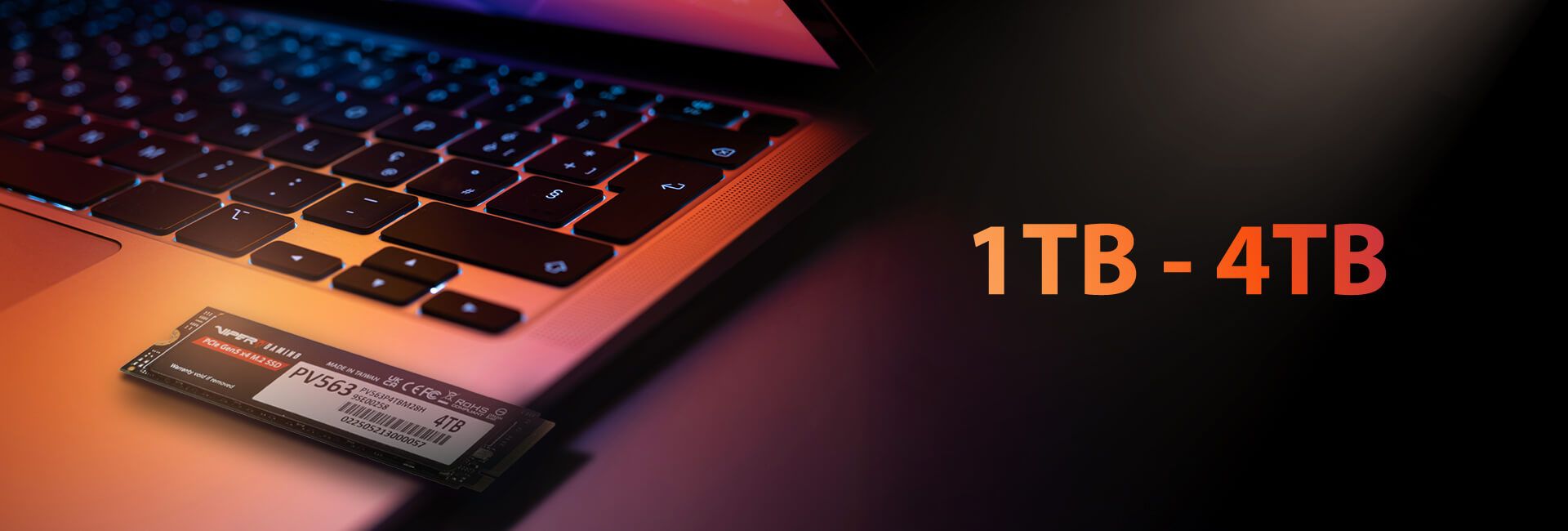
Up to 4TB of Possibility
With capacities up to 4TB, the PV563 easily handles modern game libraries, 4K media, and heavy multitasking. Whether upgrading a handheld console or building a performance PC, you’ll have the speed and space to create without limits.
Enjoy shorter wait times, faster app launches, and a smoother, more responsive system — delivering an experience that feels truly unmatched.
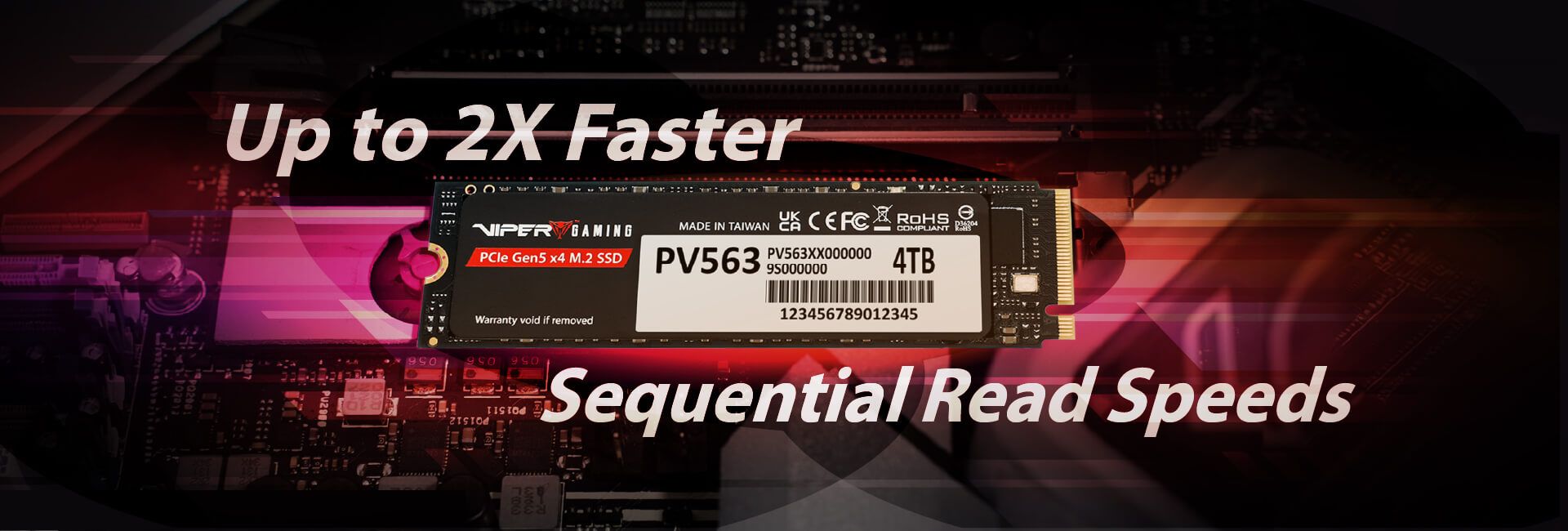
Beyond Gen4. Built for What’s Next
The PV563 Series SSD delivers up to 2X faster sequential read speeds than Gen4 SSDs, with stronger workload efficiency and lower power draw. It’s the smart Gen5 upgrade for users who want next-level speed without bulky hardware or compromises.
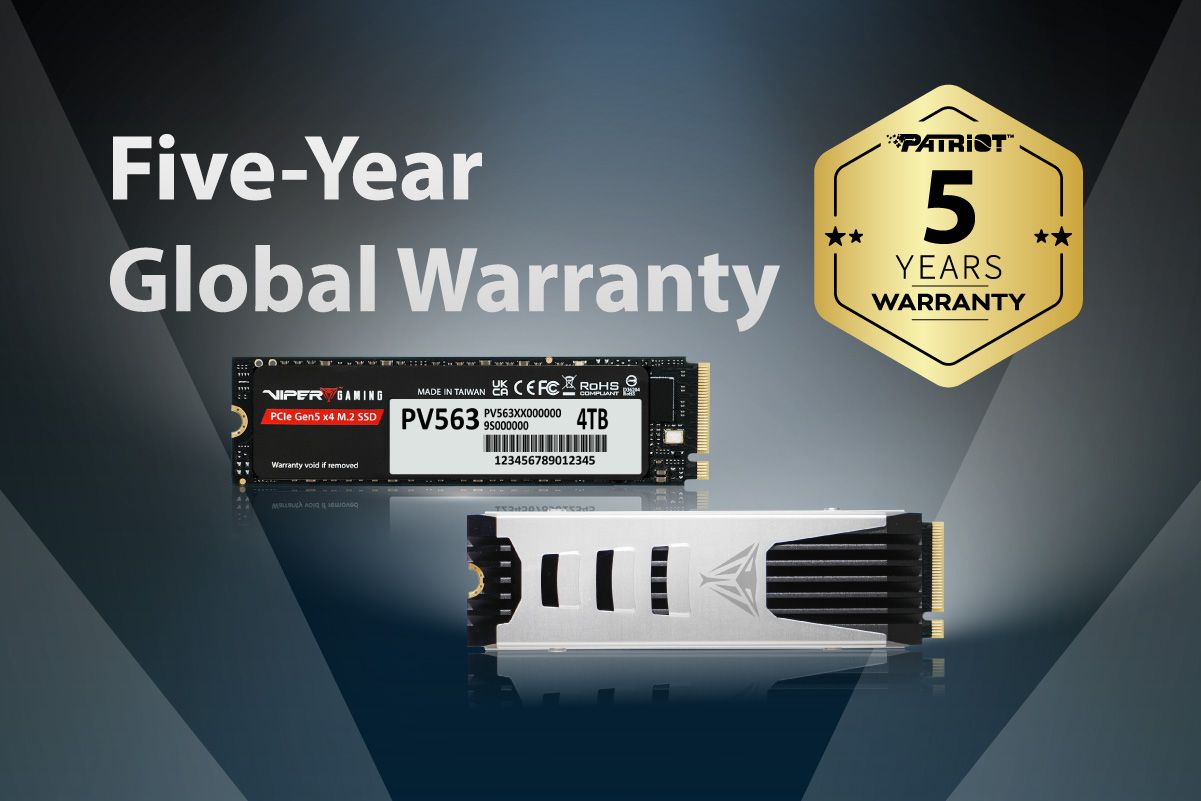
Reliability You Can Count On
Rated for up to 3,000TBW and 1.5M hours MTBF, the PV563 Series SSD is built to last. With a 5-year limited warranty and proven engineering, it’s storage that delivers dependable performance for the long run.
We support your journey with a comprehensive five-year global warranty, delivering stability and confidence every step of your extreme conquest.
Disclaimer
Actual performance may vary depending on SSD capacity, host hardware and software configurations, and other system factors.
Warranty is determined by Total Bytes Written (TBW) or the warranty period, whichever occurs first.